- Empty cart.
- Continue Shopping


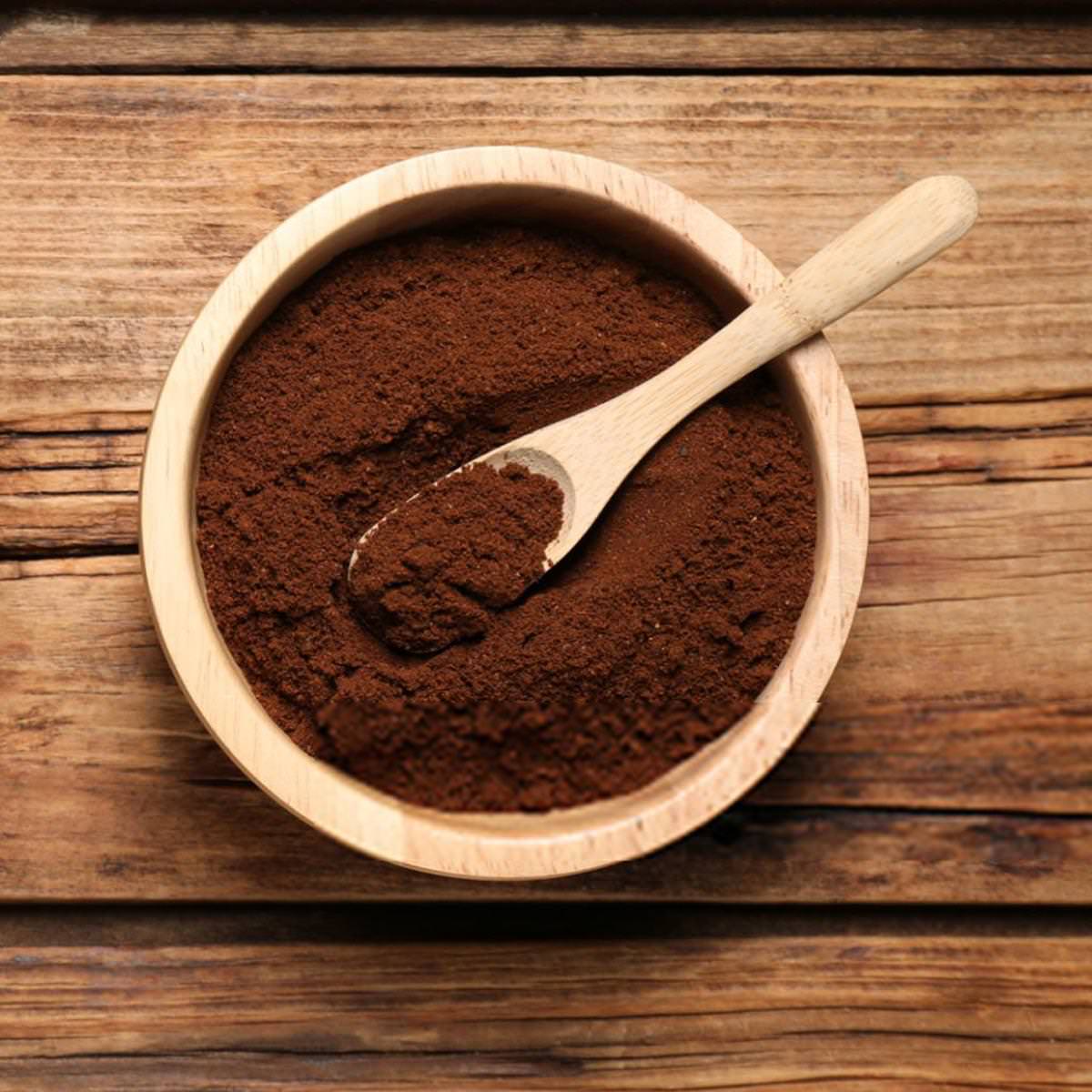
If you’ve ever opened a fresh packet of coffee and loved the rich aroma, only to find it flat and dull a week later, you’re not alone.
Coffee powder is extremely sensitive. The moment coffee is ground, it starts losing aroma, oils, and flavor compounds. In India especially, humidity, heat, and monsoon weather make coffee go stale much faster than most people realize.
The good news? A few smart storage habits can dramatically improve freshness.
Here’s a deeply researched, practical guide that combines expert advice, real-world coffee experience, Indian climate challenges, and what actually works in daily life.
Why Coffee Powder Loses Freshness So Quickly
Coffee’s biggest enemies are:
- Oxygen
- Moisture
- Heat
- Light
Experts across coffee roasting and brewing consistently recommend protecting coffee from these four factors.
Ground coffee loses freshness faster than whole beans because grinding increases the surface area exposed to air.
That’s why pre-ground coffee often tastes weaker after a few days even when the packet looks properly sealed.
The Best Way to Store Coffee Powder
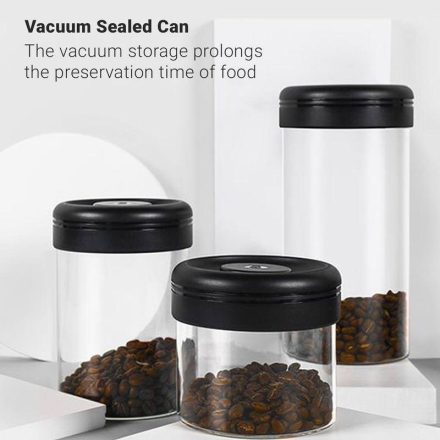
1. Use an Airtight, Opaque Container
This is the single most important rule.
The best containers are:
- Stainless steel airtight canisters
- Ceramic jars with silicone seals
- Vacuum coffee canisters
- Opaque food-grade containers
Avoid:
- Transparent plastic jars kept on kitchen counters
- Loose lids
- Containers opened repeatedly throughout the day
Experts recommend opaque, airtight storage because oxygen and light rapidly degrade flavor oils.
Indian kitchen reality:
In many Indian homes, coffee is stored in steel dabbas near the gas stove. That’s convenient, but terrible for freshness because heat and steam exposure fluctuate constantly.
A better approach:
- Keep a small daily-use container in the kitchen
- Store the main stock in a cool cabinet away from heat
This simple habit alone can preserve flavor for much longer.
2. Never Store Coffee Near the Stove
This is one of the most common mistakes.
Indian kitchens often become hot and humid during:
- Pressure cooking
- Frying
- Boiling chai
- Monsoon weather
Heat accelerates oxidation.
Coffee experts recommend cool, dark storage around room temperature.
Best places in Indian homes:
✅ Bedroom cupboard
✅ Pantry shelf
✅ Closed cabinet away from sunlight
✅ Dry drawer
Worst places:
❌ Above microwave
❌ Beside gas stove
❌ Near sink
❌ Open kitchen shelf
3. Avoid Refrigerators (Most People Get This Wrong)
Many people think the fridge keeps coffee fresh.
Usually, it does the opposite.
Coffee absorbs:
- Moisture
- Odors
- Condensation
That means your coffee may slowly pick up smells from:
- Onion
- Garlic
- Curry leaves
- Leftovers
Multiple coffee experts and brands advise against refrigerator storage for daily-use coffee.
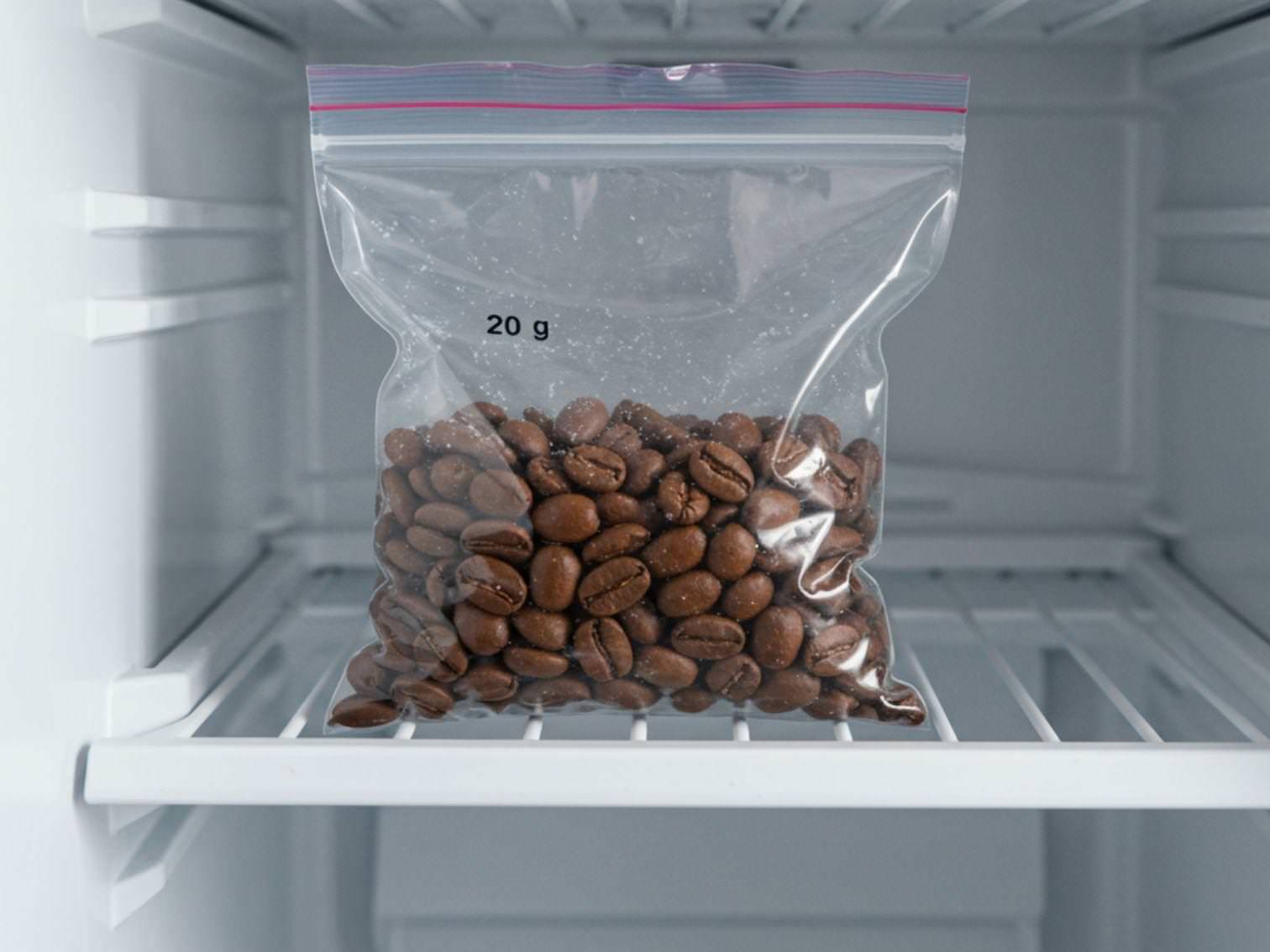
4. Freezing Works — But Only If Done Correctly
Freezing is controversial because most people do it incorrectly.
The WRONG way:
- Opening and closing the same frozen jar daily
- Taking cold coffee directly into humid air
- Storing half-open packets in freezer
This creates condensation.
The RIGHT way:
If you buy large quantities (500g–1kg), divide coffee into:
- Weekly portions
- Vacuum-sealed packs
- Small airtight jars
Then freeze only the backup stock.
Take out one portion at a time and let it reach room temperature before opening.
Reddit coffee communities and specialty coffee experts commonly recommend portion-freezing for long-term freshness.
5. Buy Smaller Quantities More Frequently
This is what many specialty coffee drinkers eventually learn.
Instead of buying:
- 1kg every 3 months
Buy:
- 250g every 2–3 weeks
Fresh coffee always tastes better than perfectly stored old coffee.
Coffee experts generally suggest:
- Ground coffee tastes best within 1–2 weeks after opening
- Whole beans last longer than pre-ground coffee
Indian Monsoon Problem: Why Coffee Goes Stale Faster in India
This is rarely discussed in international coffee articles.
India’s monsoon humidity can ruin coffee surprisingly fast.
Coffee naturally absorbs moisture from the air. India’s climate — especially in coastal and southern regions — accelerates this process.
India’s famous Monsoon Malabar coffee itself is created by exposing beans to humid monsoon winds.
That tells you how dramatically humidity affects coffee chemistry.
Practical Monsoon Tips for Indian Homes
During June–September:
- Avoid opening coffee containers repeatedly
- Use silica sachets outside the coffee pouch area
- Keep containers inside dry cupboards
- Never use wet spoons
- Reduce bulk storage
In extremely humid cities like:
- Mumbai
- Chennai
- Kochi
- Mangalore
Coffee can stale almost twice as fast compared to dry climates.
Real-Life Storage Comparison (Home Experiment)
A simple home test many coffee enthusiasts try:
Same coffee stored in 3 ways for 14 days:
| Storage Method | Result |
|---|---|
| Original packet clipped loosely | Flat aroma, dull taste |
| Airtight steel container | Noticeably fresher |
| Vacuum canister | Best aroma retention |
The biggest difference appears in:
- Aroma when opening
- Crema in espresso
- Bitterness balance
- Smoothness
Does Instant Coffee Need the Same Care?
Not exactly.
Instant coffee is more shelf-stable because it’s processed differently.
Still:
- Moisture ruins it quickly
- Humidity causes clumping
- Aroma fades after opening
So even instant coffee should be stored airtight and dry.
Best Containers for Coffee Storage
Best Overall
- Vacuum coffee canisters
- Airscape-style containers
Budget-Friendly
- Stainless steel airtight containers
Good Alternative
- Ceramic jars with silicone seal
Avoid
- Transparent jars on shelves
- Thin plastic containers
- Loose-lid steel dabbas
Experts especially recommend containers that minimize trapped oxygen.
Signs Your Coffee Has Gone Stale
Fresh coffee smells:
- Rich
- Sweet
- Chocolatey
- Nutty
Stale coffee smells:
- Flat
- Woody
- Dusty
- Paper-like
Coffee experts note dull aroma and lifeless flavor as key freshness indicators.
Expert Opinion: What Actually Matters Most
After all the debates about jars, vacuum pumps, and freezing, freshness mostly comes down to this:
Priority Order
- Buy fresher coffee
- Keep oxygen out
- Protect from humidity
- Avoid heat and sunlight
- Grind fresh whenever possible
That’s why coffee enthusiasts eventually shift toward:
- Whole beans
- Smaller purchases
- Better containers
The Ideal Coffee Storage Setup for Indian Homes
Here’s a practical setup that balances freshness and convenience:
Daily Use
Small airtight steel container in kitchen
Main Stock
Sealed pouch inside cool cupboard
Bulk Backup
Portioned freezer packs
This system works exceptionally well for:
- South Indian filter coffee
- Specialty coffee
- Espresso grounds
- French press coffee
Final Verdict
If you remember only one thing, remember this:
Coffee powder stays freshest when stored:
- Airtight
- Cool
- Dry
- Dark
- Away from humidity and heat
For Indian homes, humidity control matters even more than temperature.
And if you truly love good coffee:
- Buy smaller quantities
- Store carefully
- Use fresh within a few weeks
Because no storage trick can fully revive stale coffee once the aroma oils are gone.
